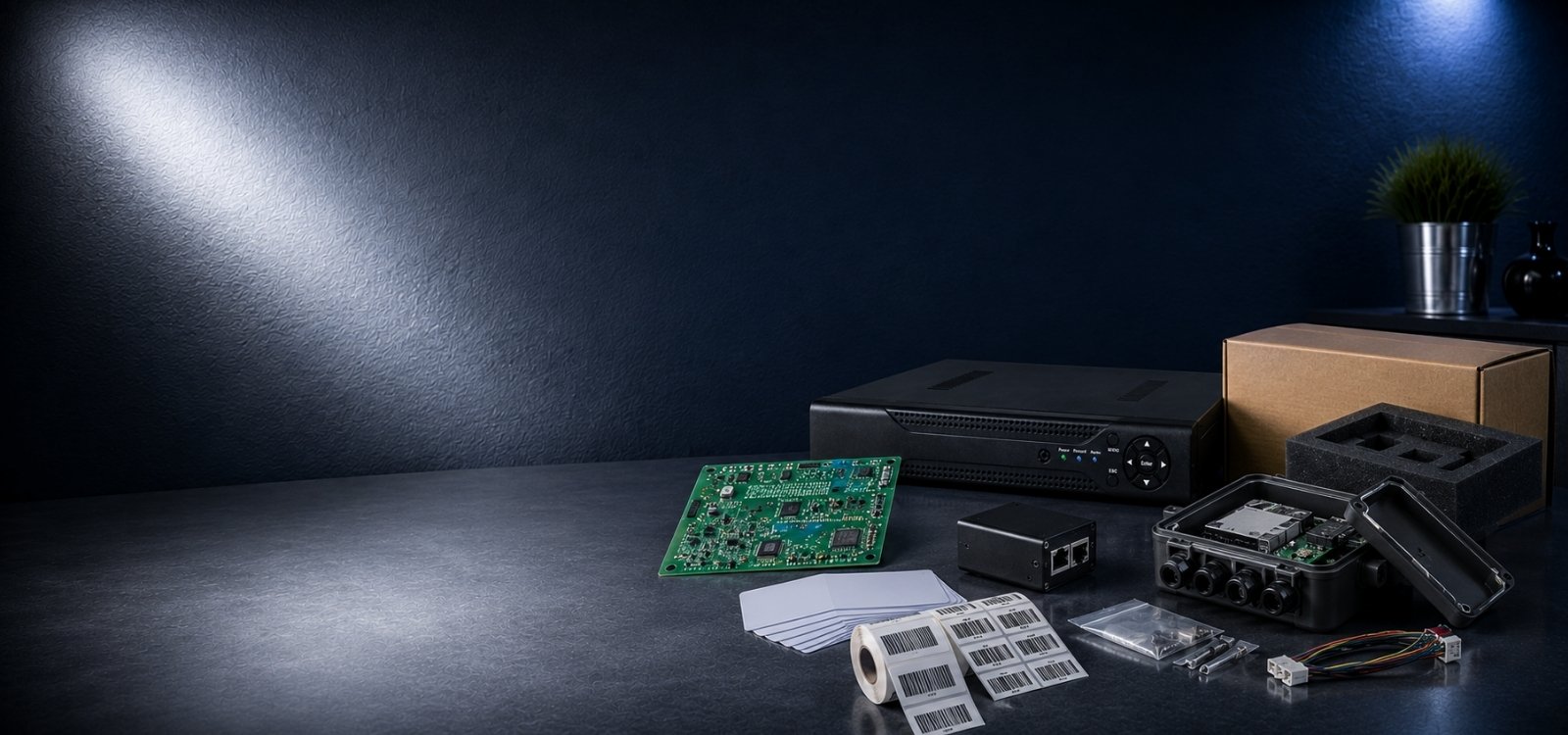
Receive, identify and triage the product
Identity, condition, requirement, destination and acceptance criteria are captured.
 We Believe, We Achieve
Controlled product and board-level repair support connecting receipt, diagnosis, Level-4 recovery, verification and return-to-service.
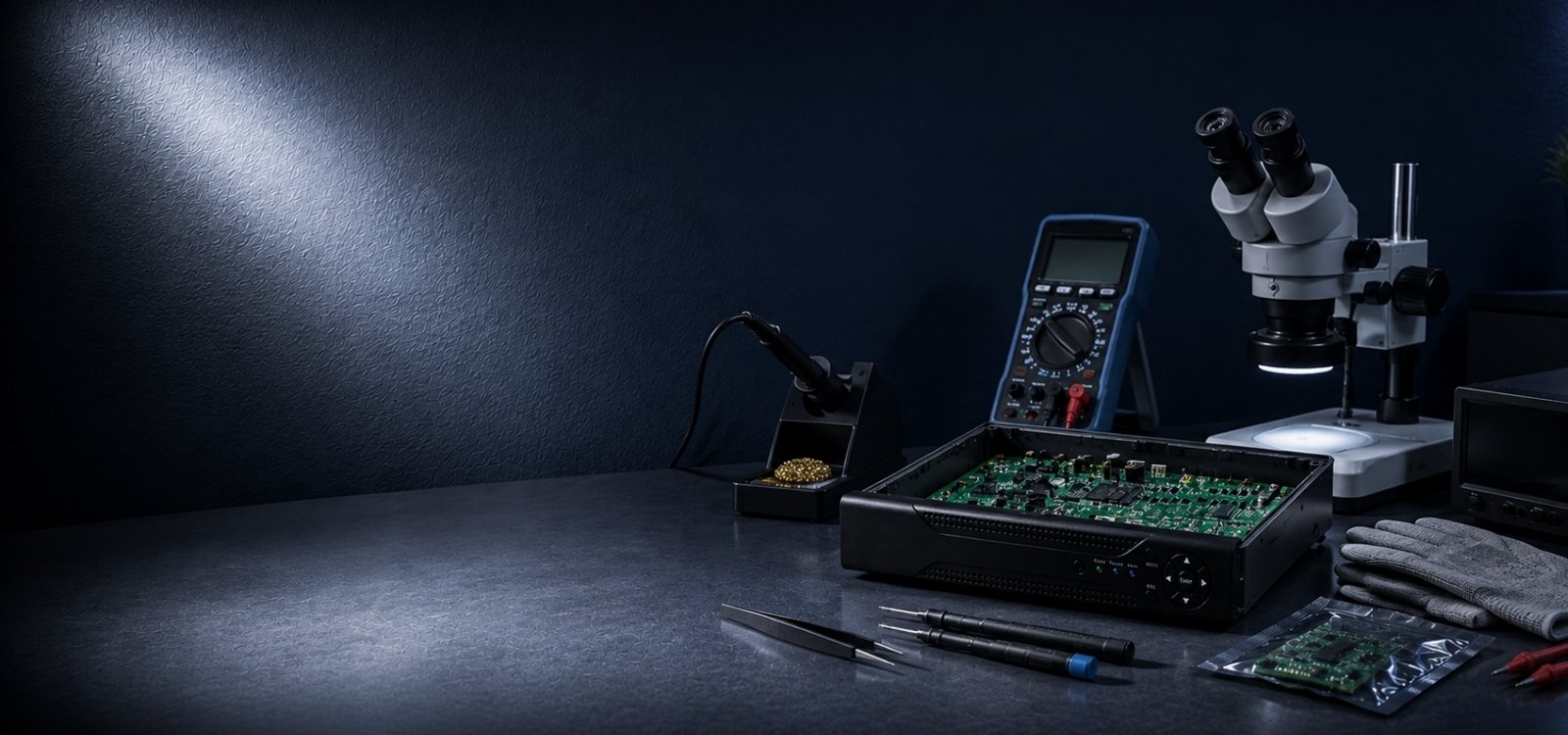
PCT supports released products through a controlled after-sales route covering RMA receipt, identity and condition capture, triage, functional diagnosis, board-level fault isolation, authorised component repair, firmware or configuration recovery, complete retest and protected return. Failure evidence and repair history can be structured to support recurring-fault visibility and product improvement.
Product identity, approved baselines, execution evidence, exceptions and release status remain connected as the service adapts to the programme.
Identity, condition, requirement, destination and acceptance criteria are captured.
Approved parts, data, images, methods, fixtures and controls are prepared.
Controlled execution records actions, status, exceptions and objective evidence.
Function, identity, completeness and records support authorised release.
The lifecycle route is defined against the approved product baseline, service depth, customer data, identity, quality, compliance, volume, schedule and release requirements.
Checks and records are configured for the product, service route, applied changes, customer requirements and intended return or delivery condition.
Recorded against the approved lifecycle controls and release criteria.
Recorded against the approved lifecycle controls and release criteria.
Recorded against the approved lifecycle controls and release criteria.
Recorded against the approved lifecycle controls and release criteria.
Explore the complementary service or return to the complete Lifecycle service category.
Share the product, installed base or variants, lifecycle scope, approved data, volumes and target schedule. Our team can prepare the right technical conversation.